
Athletes — Perform Beyond Limits
Developing the Mindset to Compete, Grow and Thrive
Athletic development is about more than physical and technical ability. How you think, prepare, respond, and adapt can shape how you perform.
Strong mental skills can help athletes stay focused, build confidence, respond to setbacks, manage emotions, and maintain motivation.
Our resources provide practical strategies informed by psychology, coaching and behavioural science to help athletes take greater ownership of their development and Perform Beyond Limits.
APU recognises that athletes at different ages and stages of development have different needs, and that effective support should be tailored accordingly.
Supporting Athletes at Every Stage

Younger Athletes

Developing Athletes

High-Performance Athletes
Building the Mental Skills Behind Performance

Know Yourself
Understand the thoughts, routines, and behaviours that bring out your best.
Try it: After training or competition, identify one thing that helped your performance and one thing you would approach differently next time.
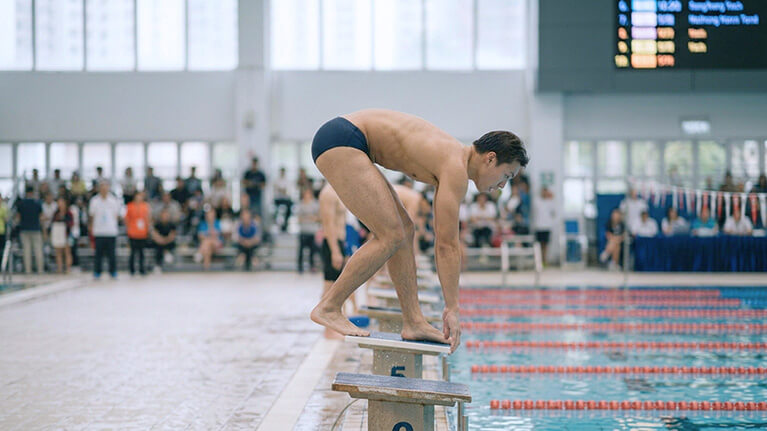
Focus on What Matters
Bring your attention back to what you can control. Your effort, preparation, communication, and next decision.
Try it: Choose a simple cue such as “next ball”, “stay present” or “strong finish”.

Build Confidence
Confidence grows through preparation, experience, and recognising your progress.
Try it: Keep a record of improvements, successful performances, and challenges you have overcome.
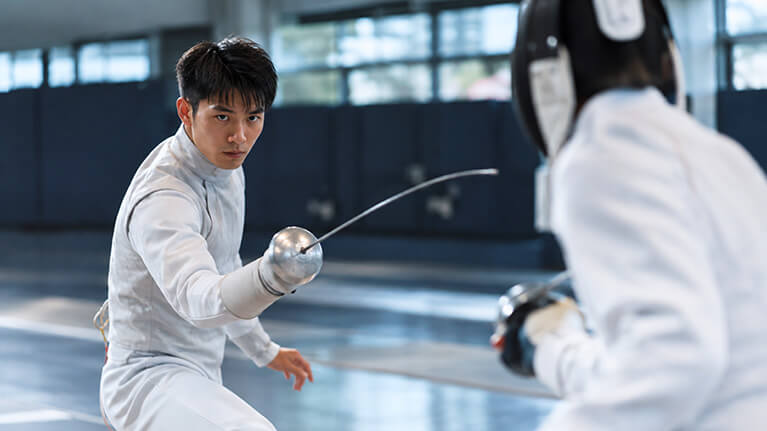
Perform One Moment at a Time
Break competition down into the next action rather than becoming overwhelmed by the final outcome.
Try it: Identify two or three actions that represent a good performance, regardless of the result.

Learn From Setbacks
Mistakes and difficult performances can provide useful information for your development.
Try it: Review, don’t replay. Identify what happened, what you can learn, and what you will do next.
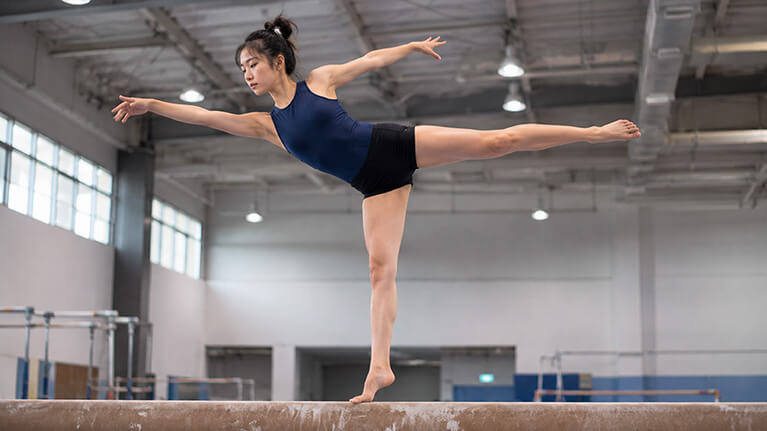
Create Reliable Routines
Try it: Build a simple before, during, and after competition routine.
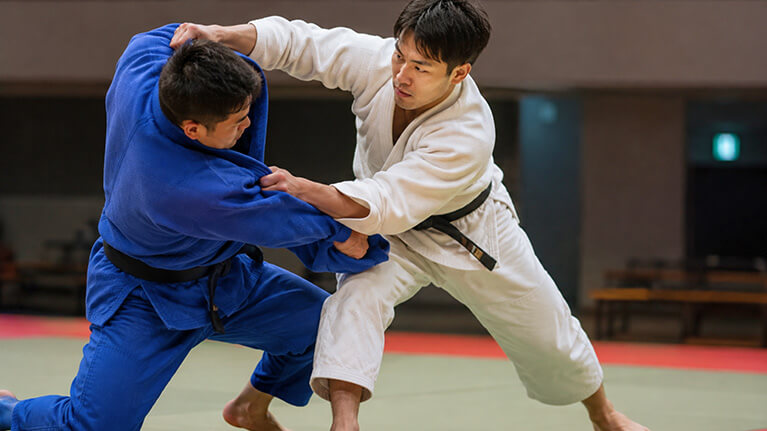
Stay Composed Under Pressure
Try it: Name what you are feeling, take one deliberate breath, and identify your next useful action.
Stay Connected to Your Why
Try it: Write down why your sport matters to you and three behaviours that move you towards your goals.

Recover to Perform
Physical and mental recovery are essential to sustainable performance.
Try it: Check in regularly with your sleep, energy, mood, motivation, and physical readiness.

Use Your Support Network
Try it: Speak up early when something is affecting your training, confidence, motivation or wellbeing.

Be More Than Your Results
Maintaining relationships, interests, education, and experiences outside sport can help create perspective and support long-term wellbeing.